Forward Momentum
10 January 2026
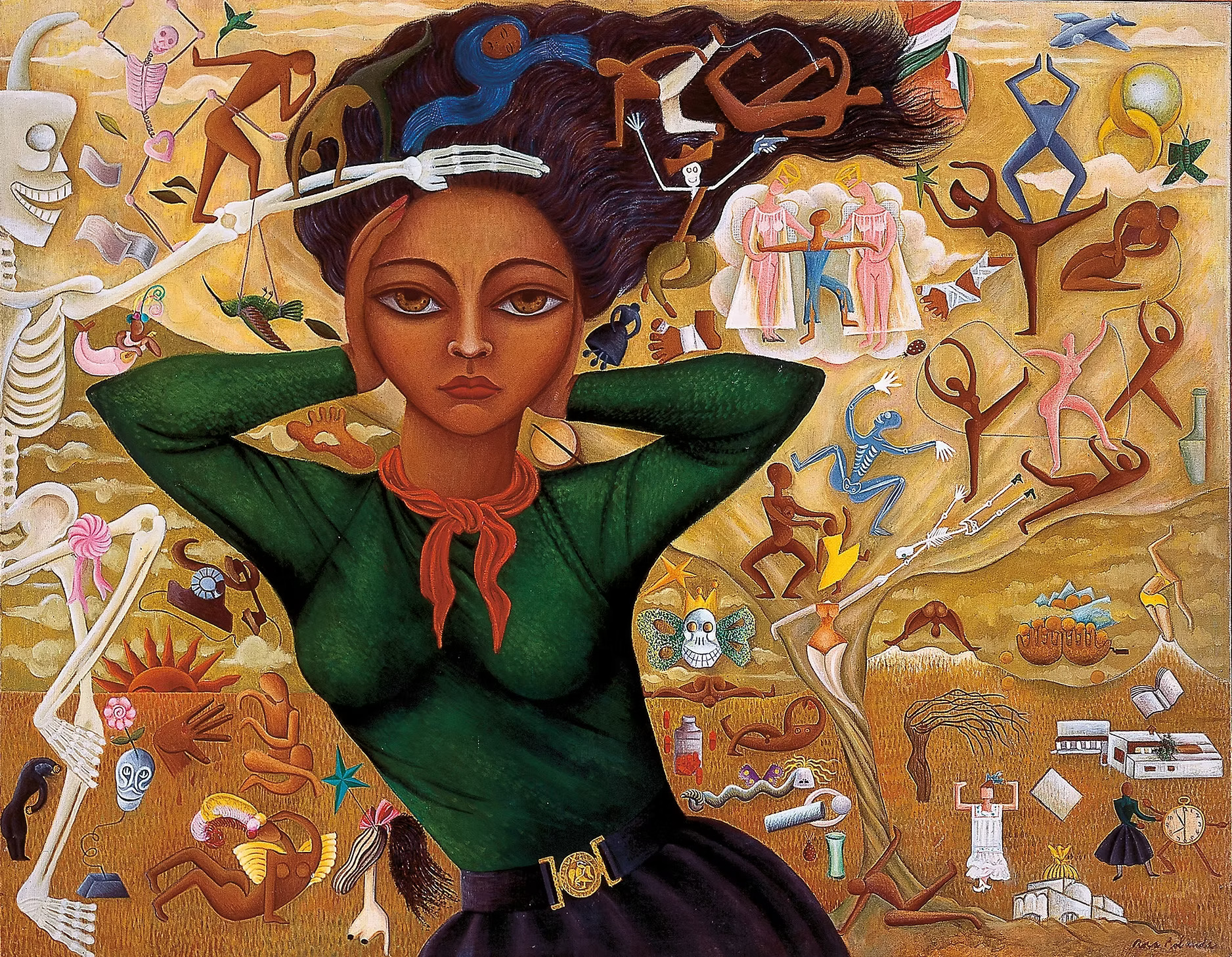
On his show, Ezra Klein talks to Masha Gessen about the paradox that authoritarian and right-wing governments usually pay more attention to the aesthetic of their policy than left-wing governments do.
Riffing on Pete Hegseth’s denouncement of “fat troops” and calls to have a fitter military, Gessen talks about a not-so-new component of the neofascist aesthetic:
What we’re seeing is white, cis men who are in excellent physical shape. That’s what the ideal of this administration looks like. And of course, like every fascist administration, it’s not actually led by men who look like that, but they want to look like that, and they want to be surrounded by men who look like that.
Perhaps, they suggest, this is because pointing back to an imaginary past of marble columns, “free speech” and supposedly more “masculine” men is, in fact, easier than sketching out a totally new vision.
It’s actually a much more complicated task, which is to assert an entirely different aesthetic direction, which is oriented toward difference and variety and things that you haven’t seen before. And that is objectively much more difficult. How do you create an ideal of beauty that includes all sorts of things and all kinds of people and a kind of architecture that no one has seen before? I don’t know.
Early last year, German paper Die Zeit ran an excellent op-ed by Ulrich Machold about the broader society’s need for some kind of progress narrative:
Without a narrative of progress, things become difficult. If there is nothing for a society to work toward, no better tomorrow, then many people become disoriented. They lose faith in the present or seek out substitute narratives that offer them alternative paths as a way out, even if it means retreating to an idealized past. People seem to need a sense of forward momentum to keep them from losing their minds.
If there’s no vision being presented, no declared idea of progress, then a retreat to an idealized past will always win out.
In other words, a narrative of progress is the overarching theme of change; it makes change understandable, tolerable, and acceptable. Without direction, there is no orientation, and people become confused.