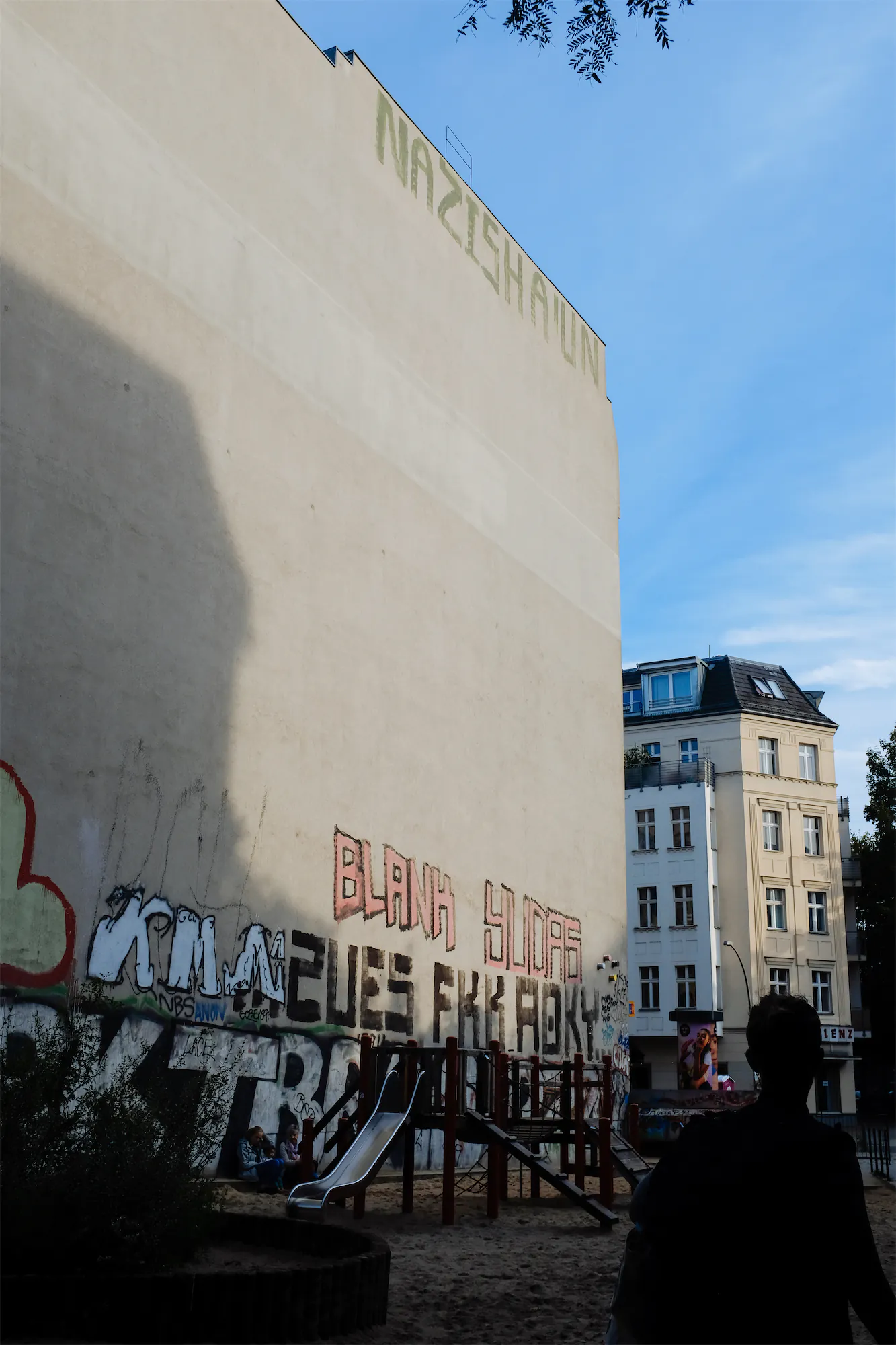
Formerly Unique
22 August 2026 Berlin
I feel the magic draining from Berlin.
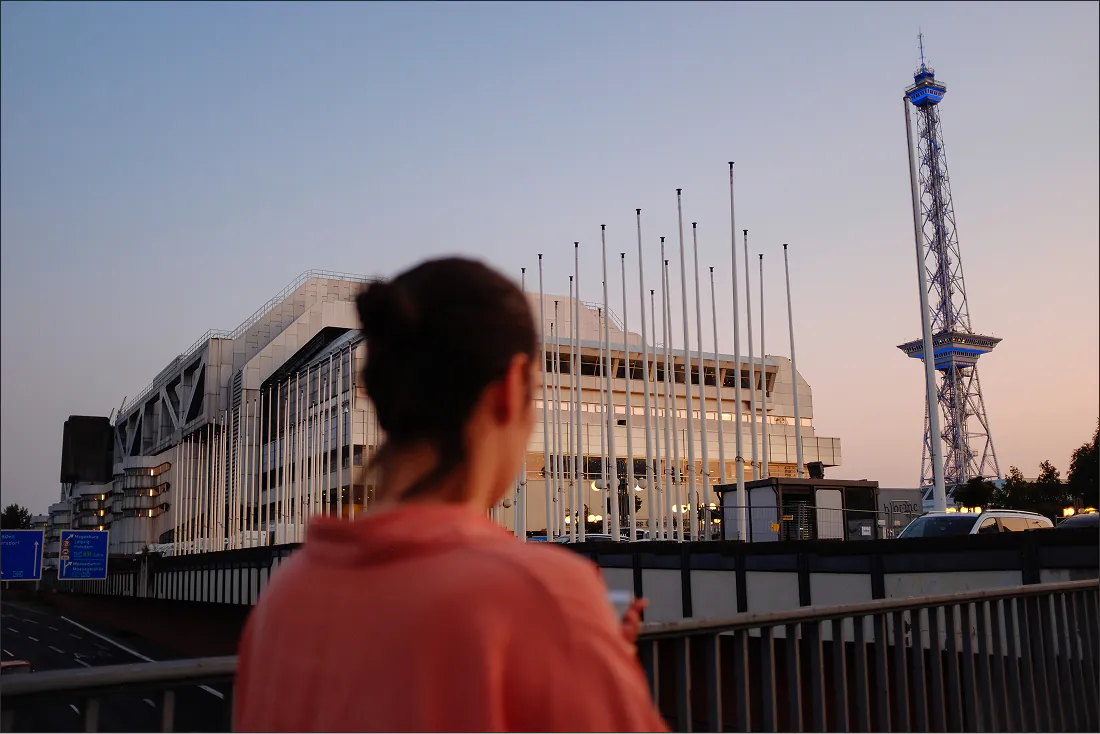
Last summer, they felled the street lamp in front of my house. Sawed off the hollow stem like a dead tree and hauled it away on a flatbed truck.
The lamp was a remnant of East Germany. The GDR’s planned economy had lined every street in every one of its cities with identical, raw concrete street lamps. Today, they’re weathered and worn; certainly no longer energy efficient. Their time had finally come.
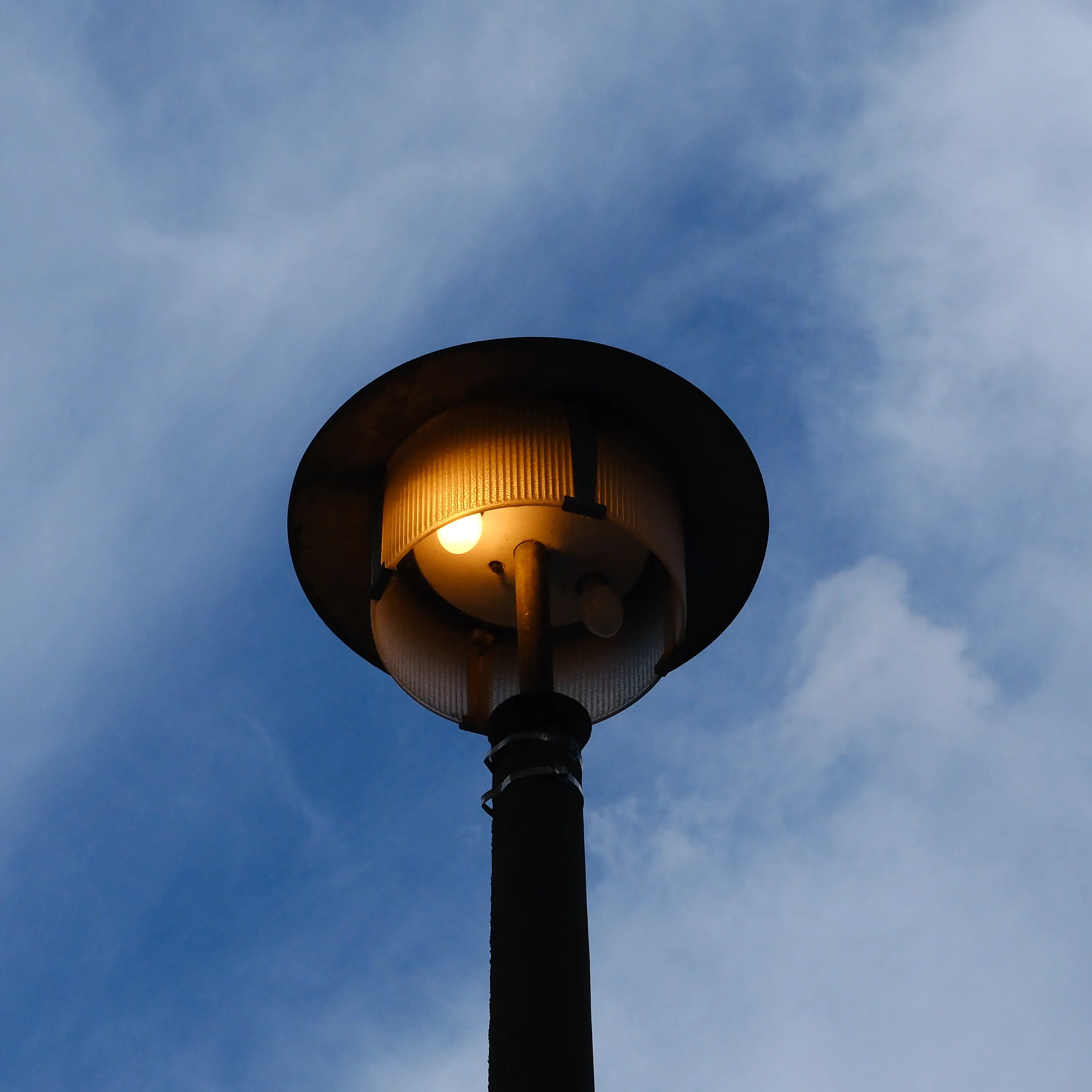
In fact, the city has long used these lamps with just one active lightbulb to save energy, creating a uniquely glum, orange light characteristic of nighttime East Berlin.
Right next to where the concrete post stood, the city erected a slender new metal street lamp with lights so bright that I can only presume them to be LEDs. It was a sensible renovation, arguably an improvement, and yet I couldn’t help but feel that something was getting lost in the process. The old East German lamps might not have looked pretty, but the light they cast was certainly unique: A subtle reminder of the city’s history, visible every night.
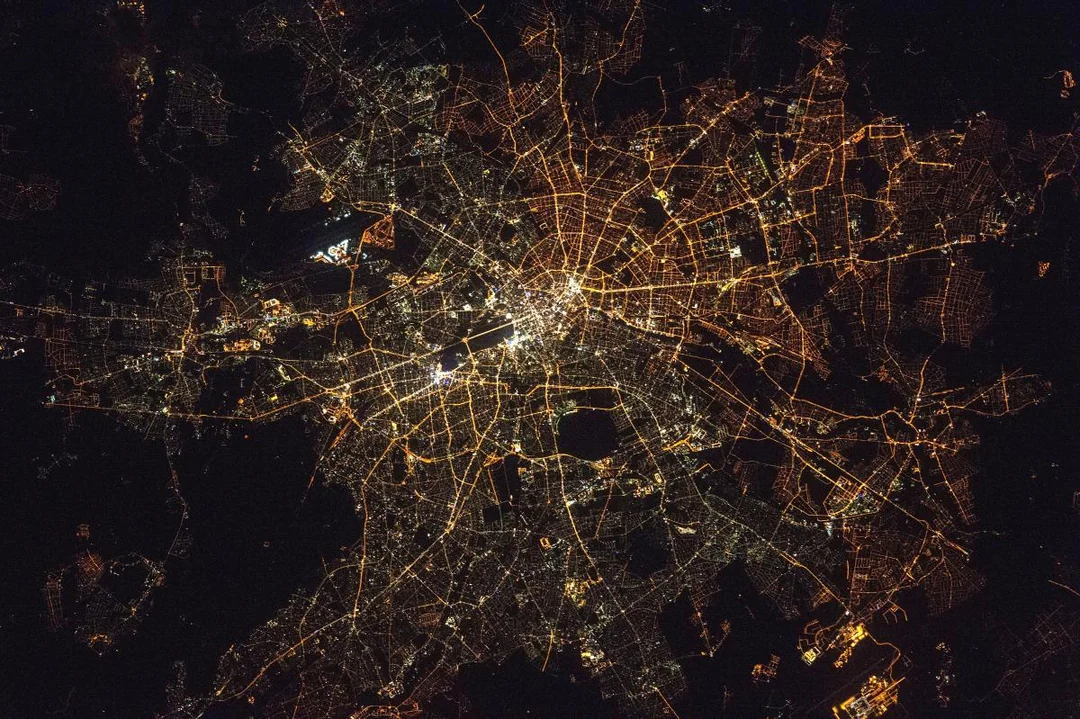
The different light sources in Berlin used to show the exact division of the city on satellite images, long after the country and its capital had reunified.
Berlin epitomizes change. This is a place that’s never the same, never done, always metamorphosing and turning into something else.
Come here, and that change is exhilarating. But stay for long and you can start feeling uprooted.
Nothing ever stays the same. Neighborhoods transform. Districts go in and out of fashion. Buildings go up, places close down, entire train stations can vanish and re-emerge in a new shape.
The constant change isn’t limited to the built environment, it inevitably also sweeps up people: Most everyone is just passing through. For some, that means spending a decade in the city, for some it’s even more, but eventually most people move somewhere else, often hastily because something else came up or simply because they suddenly stopped getting along with Berlin. Perhaps that’s why native Berliners joke that you can’t become a Berliner: everybody eventually leaves.
The effect is a sense of permanent transience. And as someone who moved here 16 years ago, I can’t help but wonder when my own time will come.
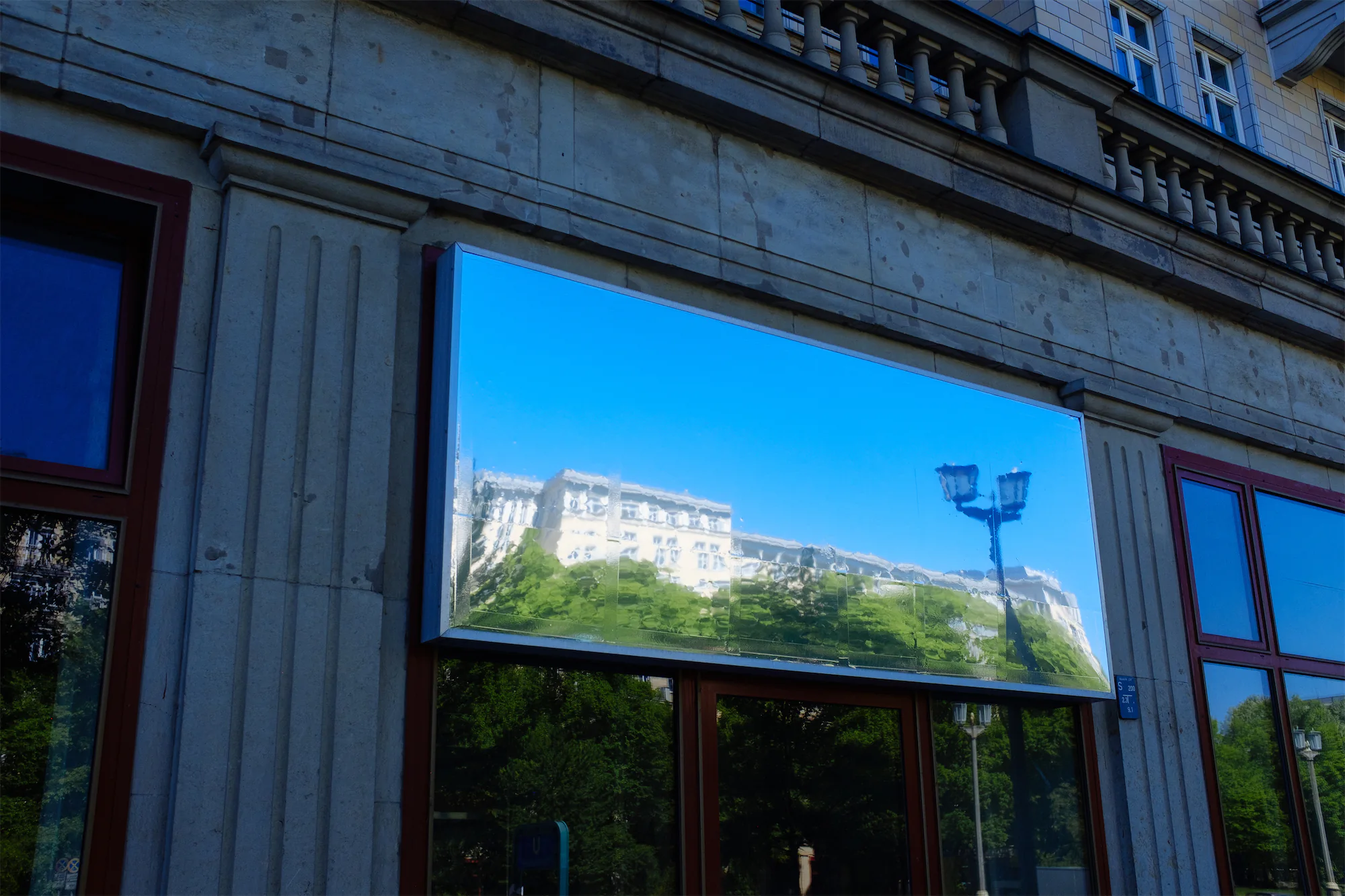
Lately, I’ve been feeling my ties to Berlin loosening. I’m not falling out of love with the city, but I find it different, the overall vibe no longer quite in alignment with my own. I’m certainly not the same person I was when I moved here in 2010, so for weeks I questioned whether the change I noticed came from the city or myself. The answer is both: I’m noticing a slow erosion of what always made the city magical.
To be frank, I hesitate to even throw that word around: Magic is a slippery term. It describes something supernatural that clearly doesn’t exist. The supposed magic is a projection — it exists in our heads only. Why would that kind of self-delusion feel important?
What I’ve settled on is a simple calculus: If I truly get to choose where to live, then I want it to be a place that excites and perhaps even mystifies me. That’s exactly what Berlin has long done: In this city, you’re in for a lot of surprises. And you can even get swept up by the momentum, by the constant changes, and the potential of it all. You never know what exactly is coming; you might remain forever mystified. But you can’t deny the excitement.
Berlin always felt different from the (West) Germany I grew up in; a place full of tangible history. I remember first discovering the empty Tempelhof air field, my shock of being able to cycle across an airport runway next to one of Europe’s largest buildings. To learn about places like the Mauerweg, St. Augustinus church, and abandoned Soviet military bases in the outskirts. To have so much empty space in a city. To have human connections with strangers unlike anything I have experienced in other places in Germany. To feel like this was the place where unexpected things happened. And Berlin was able to surprise me, over and over again.
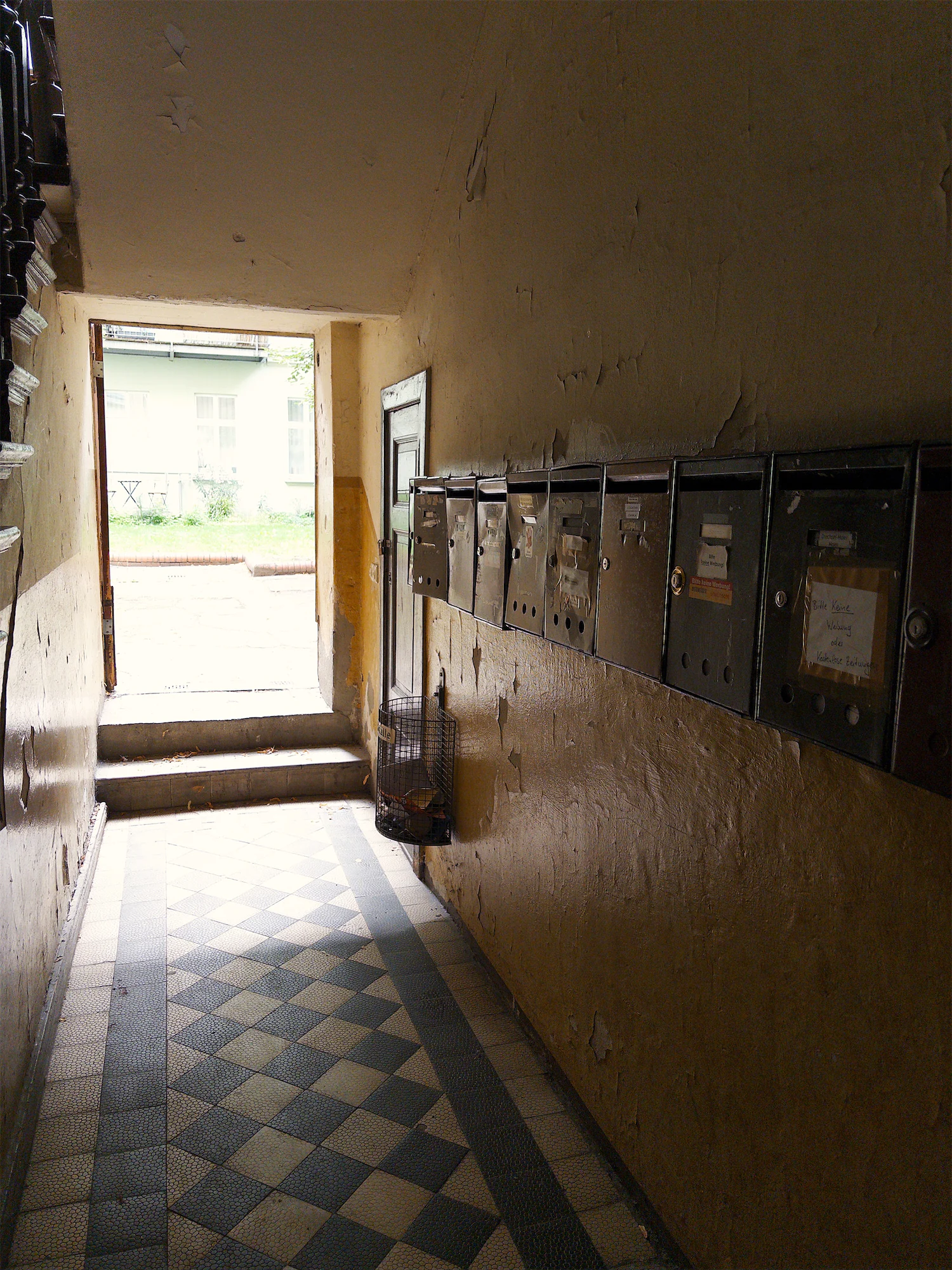
It still happens every once in a while: turn a corner, go down an unknown street and run into a new place. A few days ago, I “found” a new street just blocks from the apartment I’ve lived at for six years. A building under renovation had its front door open. I snuck in with my kid, looking at the unknown courtyard. Pristine East German mailboxes, time standing still in a hallway, surrounded by a city that pushes ever forward.
A lot of that magic has to do with the city’s history. Having been largely destroyed in WWII and then divided and reunified, the city thrived on being an oddity: During the division, West Berlin was a weird exclave of West Germany while East Berlin turned into a socialist showcase.
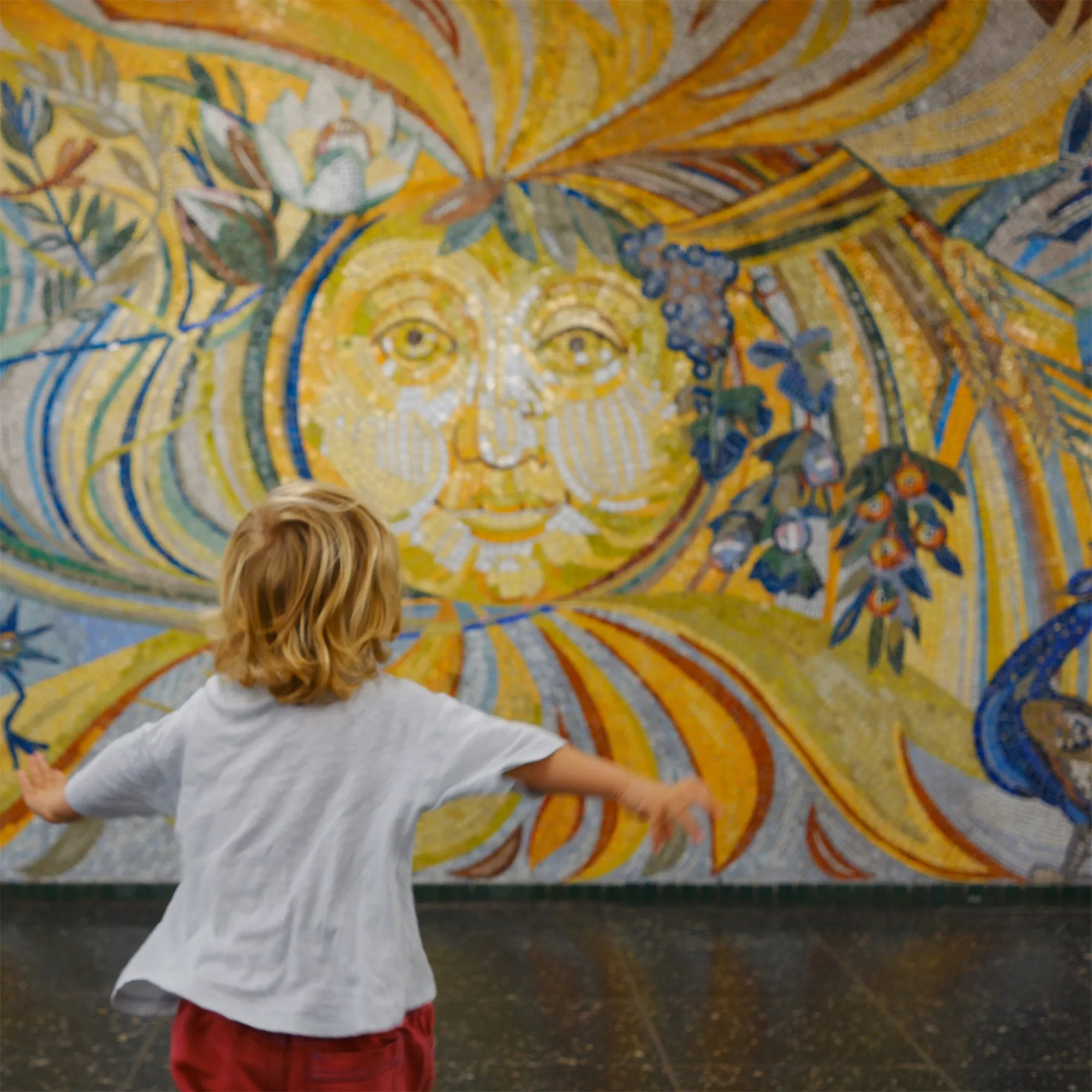
This means I now live on the territory of a state that no longer exists, within the boundaries of another one. It means inhabiting the remnants of socialist capital with all the benefits of a Western democracy: Cracking concrete and mosaics in the East (they sure loved mosaics!), a strangely preserved 1970s Germany in the West, all held together with post-reunification optimism, government cash injections, and an insistent optimism. A city that feels at once forgotten and trying to be a nation’s capital. Sprinkle in some speculative 21st century tech culture (companies and services arriving and departing at breakneck speed), and you have yourself somewhere unique.
Any place that thrives on uniqueness necessarily comes with pros and cons.
There’s an entire genre of German opinion pieces that complain about the capital. People lament how different the city is from the rest of the country, how it doesn’t fit in and doesn’t work.
Berlin can certainly be an acquired taste: It isn’t conventionally pretty. It’s chaotic, many things don’t work. It’s an easy target. But: the people writing the opinion pieces usually don’t understand that despite its shortcomings, Berlin has that magic to it; they fail to see the sense of possibility.
As in England or France, people loathe their capital, consider its difference to the rest of the country a liability rather than an asset, and don’t see how it’s a pressure valve for other-ness but rather consider it a fault to be corrected. But unlike England and France, the German capital isn’t posh; it’s rather more poor than the rest of the country. This isn’t loathing of a perceived elite but a combination of looking down, feeling that Berliners aren’t applying themselves, or simply doing it wrong.
I don’t want to fall into that trap of overlooking Berlin’s qualities because of some comparatively minor grievances, and certainly not because of an un-German-ness. I’m not suddenly realizing shortcomings — they’ve always been there as a price of living in this place.
But my fear is that what made Berlin so unique is disappearing, and with it the magic draining away, as street lamps are swapped and empty lots paved over. What I’m starting to miss is the very uniqueness that made Berlin Berlin.
The signs are there: The slow, gradual alignment with vanilla Germany. A sense of normalcy is settling in. The rough edges that characterize this city (for better or for worse) are disappearing.
I also think there’s been a realization brewing in me that the city is its people, the ones I know and interact with, not just some independent thing that exists separate from my own life. I tend to focus on the built environment, on the changes I can see. But when people started moving away is when I most felt the city shrink and change face.
Perhaps the reason why people come and go, why Berlin works for them until it doesn’t is that the city and its people travel at different speeds, change together. For a while you may travel together, overlap like two trains on parallel tracks, until one or the other changes gears and a gap appears, which widens as time goes by. Perhaps that’s what’s happening to me: An alignment that felt right is slowly, imperceptibly becoming misaligned. And yet we keep moving, city and I, with the gap growing ever bigger until one of us has to make a change.
The city certainly isn’t going anywhere. I might just have to.